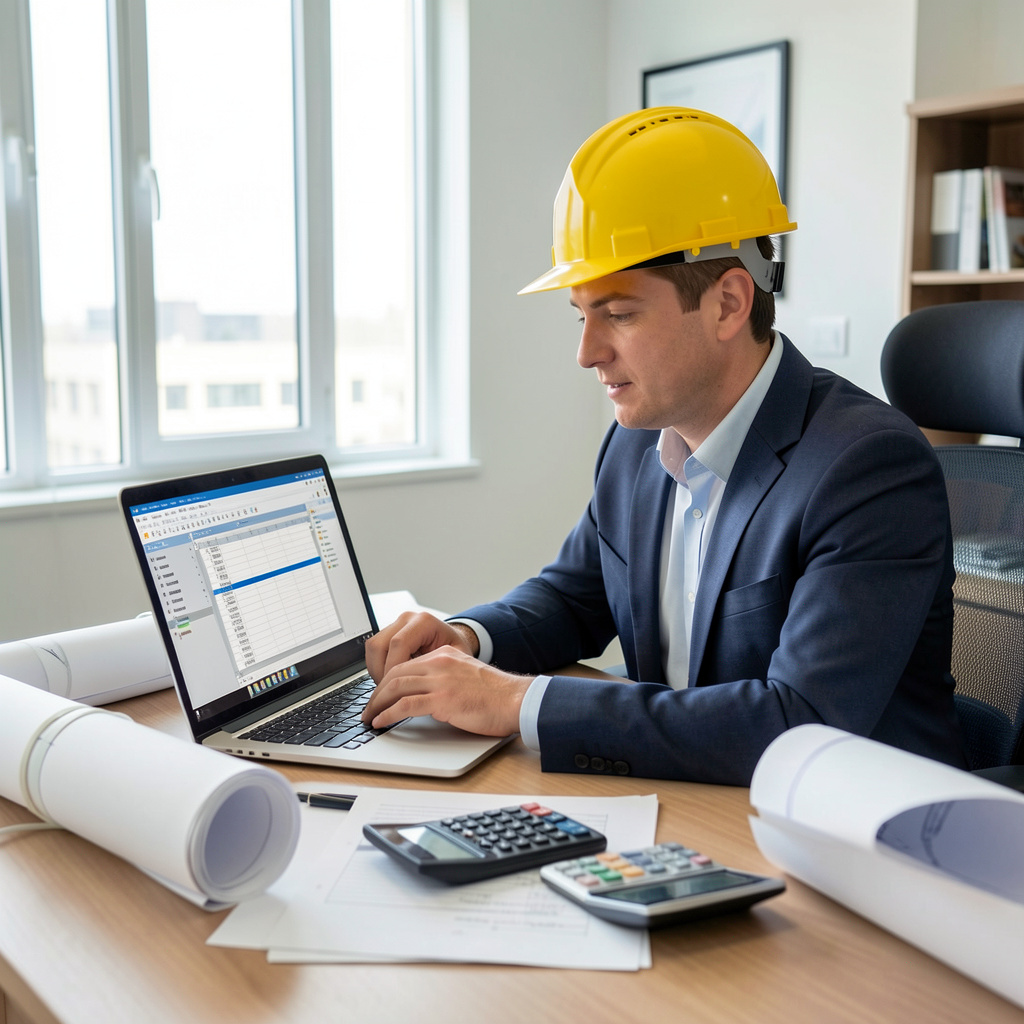
A construction accounting firm provides tailored financial services designed specifically for contractors, builders, and construction businesses. Unlike general accounting, construction accounting addresses the unique challenges of project-based work, fluctuating costs, long billing cycles, and complex tax regulations. Partnering with a specialized firm can significantly improve profitability, compliance, and financial clarity.
What Is a Construction Accounting Firm?
A construction accounting firm specializes in managing the financial operations of construction companies. These firms understand industry-specific practices such as job costing, progress billing, retainage, and contract revenue recognition.
By working with professionals who focus exclusively on construction, businesses gain accurate financial reporting, improved cost control, and better decision-making throughout every phase of a project.
Why Construction Businesses Need Specialized Accounting
Construction companies operate differently from traditional businesses. Each project has its own budget, timeline, labor costs, and materials, making standard accounting methods ineffective.
A construction accounting firm helps address challenges such as:
-
Tracking costs across multiple jobs simultaneously
-
Managing cash flow with delayed payments
-
Handling change orders and retainage
-
Ensuring compliance with industry regulations
-
Accurately forecasting profits and losses
Key Services Offered by a Construction Accounting Firm
Job Costing and Project Profitability
Job costing allows contractors to track expenses and revenue per project. A construction accounting firm ensures labor, materials, and overhead costs are correctly allocated, providing real-time insights into profitability.
Construction Tax Planning and Compliance
Construction tax laws can be complex, especially for multi-state operations. Specialized accountants manage sales tax, payroll tax, subcontractor 1099s, and tax planning strategies to minimize liabilities.
Cash Flow Management
Cash flow is one of the biggest challenges in construction. A construction accounting firm helps optimize billing schedules, manage retainage, and improve cash flow forecasting.
Financial Reporting and Forecasting
Accurate reports such as work-in-progress (WIP) schedules, balance sheets, and income statements allow construction business owners to make informed financial decisions.
Benefits of Hiring a Construction Accounting Firm
Working with a specialized firm offers several advantages:
-
Industry-specific expertise and insights
-
Improved financial accuracy and transparency
-
Reduced risk of costly errors or penalties
-
Better budgeting and forecasting
-
More time to focus on operations and growth
How to Choose the Right Construction Accounting Firm
When selecting a construction accounting firm, look for:
-
Proven experience in the construction industry
-
Knowledge of construction accounting software
-
Strong tax planning and compliance expertise
-
Clear communication and advisory support
-
Scalable services as your business grows
Choosing the right partner can have a long-term impact on your company’s financial health.
Future Trends in Construction Accounting
Technology is transforming construction accounting. Cloud-based software, real-time reporting, and automation are enabling construction accounting firms to provide faster insights and proactive financial guidance. Firms that embrace these tools deliver greater value to contractors seeking efficiency and growth.
FAQs
What makes a construction accounting firm different from a regular accounting firm?
A construction accounting firm specializes in project-based accounting, job costing, progress billing, and construction-specific tax rules, which general accounting firms may not fully understand.
How does a construction accounting firm help with job costing?
They track labor, materials, overhead, and subcontractor costs per project, ensuring accurate profit analysis and early identification of budget overruns.
Is hiring a construction accounting firm worth it for small contractors?
Yes. Even small contractors benefit from better cash flow management, tax savings, and financial clarity provided by a specialized construction accounting firm.
What software do construction accounting firms typically use?
Many firms use construction-focused accounting software that integrates job costing, payroll, and financial reporting for real-time insights.