Individual Tax Filing: A Complete Guide for Taxpayers
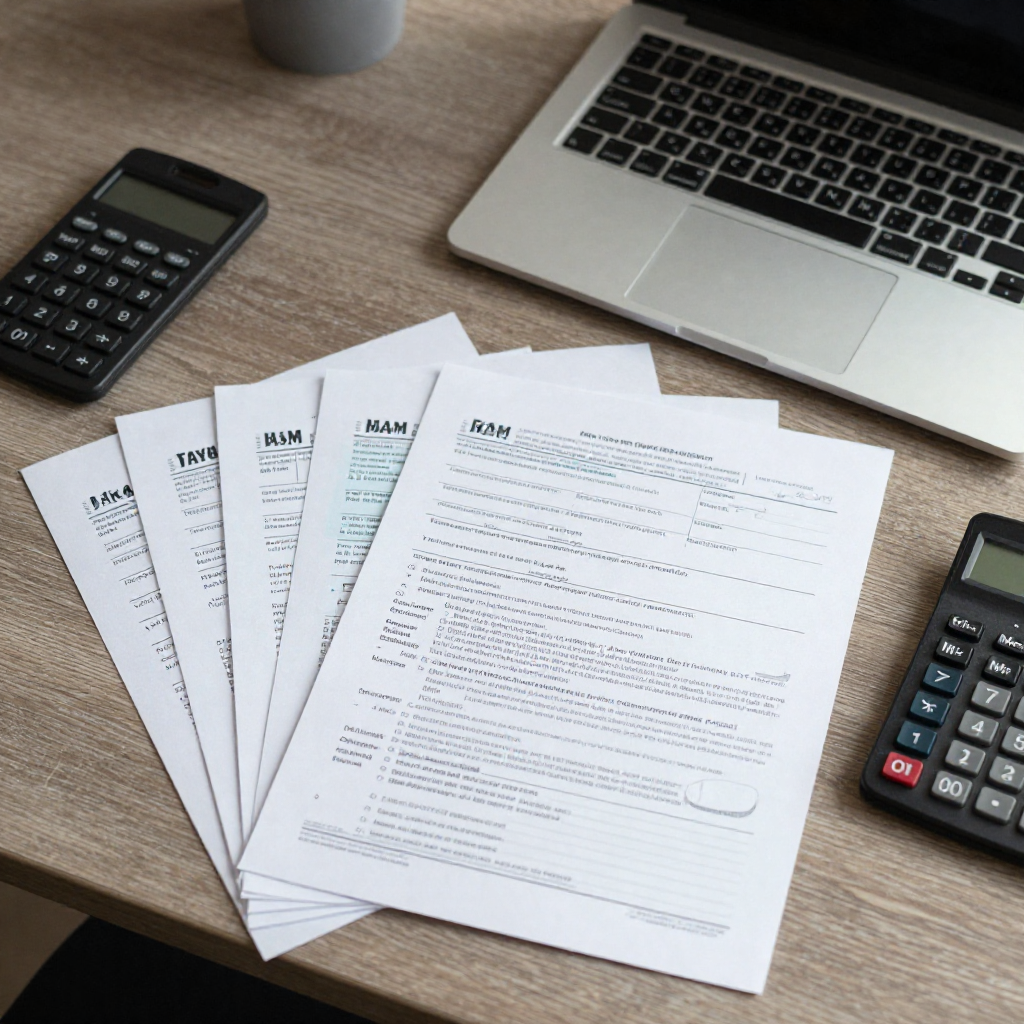
Individual tax filing is a legal and financial responsibility that affects nearly every earning individual. Whether you are a salaried employee, self-employed professional, freelancer, or investor, filing your personal income tax return correctly ensures compliance with tax laws and helps you manage your finances more effectively.
Many people find the process confusing due to changing regulations, multiple forms, and strict deadlines. However, with the right knowledge and preparation, individual tax filing can be straightforward, accurate, and even beneficial in the long run. This guide explains the full process in a clear and professional manner, helping you file with confidence.
Understanding Individual Tax Filing
Individual tax filing refers to the process by which a person reports their annual income, deductions, exemptions, and tax payments to the tax authority. The purpose is to calculate whether additional tax is owed or if a refund is due.
Tax laws require individuals who earn income above a specific threshold to file returns annually. Even individuals below the threshold may benefit from filing, especially when claiming refunds, carrying forward losses, or maintaining financial records.
Who Is Required to File Individual Tax Returns
Most individuals earning income from employment, business, investments, or other taxable sources are required to file a return. This includes:
-
Salaried employees
-
Self-employed professionals and freelancers
-
Business owners and partners
-
Individuals earning rental income
-
Investors receiving capital gains or interest income
In many cases, individuals with multiple income sources are legally obligated to file, regardless of tax liability.
Key Benefits of Individual Tax Filing
Filing taxes is not just about compliance. It also offers practical advantages that many people overlook.
-
Enables claiming tax refunds
-
Helps build a reliable financial record
-
Required for loan, visa, and mortgage applications
-
Allows carrying forward losses to future years
-
Ensures peace of mind and legal protection
Regular and accurate filing reflects financial discipline and credibility.
Essential Documents Required for Individual Tax Filing
Preparation is the foundation of successful tax filing. Having the correct documents ready can save time and reduce errors.
Common documents include:
-
Income statements or salary slips
-
Tax deduction certificates
-
Bank statements and interest certificates
-
Investment proofs and receipts
-
Details of deductions and exemptions
-
Previous year tax returns
Maintaining organized records throughout the year simplifies the filing process significantly.
Step-by-Step Process of Individual Tax Filing
Understanding the process helps avoid mistakes and delays.
First, determine your total income from all sources. This includes salary, business income, interest, rental income, and capital gains.
Next, calculate eligible deductions and exemptions under applicable tax laws. These reduce taxable income and may lower tax liability.
Then, compute the total tax payable and subtract any taxes already paid, such as withholding tax or advance tax.
Finally, submit the tax return through the designated online or offline method and verify it within the required timeframe.
Common Deductions Available for Individual Taxpayers
Deductions play a crucial role in reducing tax liability. While they vary by jurisdiction, common categories include:
-
Retirement and pension contributions
-
Health insurance premiums
-
Education and training expenses
-
Home loan interest
-
Charitable donations
Understanding which deductions apply to your situation can result in significant tax savings.
Mistakes to Avoid During Individual Tax Filing
Even small errors can lead to penalties, delays, or audits. Some common mistakes include:
-
Reporting incorrect income figures
-
Missing filing deadlines
-
Claiming ineligible deductions
-
Failing to verify submitted returns
-
Ignoring notices from tax authorities
Reviewing information carefully before submission reduces the risk of issues later.
Filing Individual Taxes Online vs Offline
Modern tax systems offer both online and offline filing options. Online filing is faster, more accurate, and often preferred.
Online filing advantages include automated calculations, instant acknowledgments, and easier tracking of refunds. Offline filing may still be used in specific cases but generally involves longer processing times.
Choosing the right method depends on personal comfort and complexity of income sources.
Role of Tax Professionals in Individual Tax Filing
While many individuals file independently, tax professionals can add value in complex situations.
They help interpret tax laws, optimize deductions, ensure compliance, and represent taxpayers in case of notices or audits. For individuals with business income, foreign income, or investments, professional assistance often reduces risk and saves time.
Importance of Filing Before the Deadline
Meeting deadlines is critical in individual tax filing. Late filing can result in penalties, interest charges, and loss of certain benefits.
Filing early allows time to correct errors, respond to notices, and receive refunds faster. It also reduces stress associated with last-minute submissions.
Record Keeping After Filing Individual Taxes
Tax responsibilities do not end after submission. Keeping copies of filed returns and supporting documents is essential.
These records may be required for audits, future filings, or financial applications. Most tax authorities recommend retaining records for several years.
Future Trends in Individual Tax Filing
Tax systems are becoming increasingly digital and data-driven. Automation, pre-filled returns, and real-time reporting are simplifying compliance.
Individuals should stay informed about regulatory changes and technological updates to ensure accurate and efficient filing in the future.
FAQs About Individual Tax Filing
What is individual tax filing?
Individual tax filing is the process of reporting personal income, deductions, and taxes paid to the tax authority to determine tax liability or refunds.
Who needs to file an individual tax return?
Anyone earning income above the prescribed threshold or meeting specific criteria must file an individual tax return.
Can I file individual taxes myself?
Yes, many individuals file independently using online systems, especially if income sources are simple and well-documented.
What happens if I miss the tax filing deadline?
Missing the deadline may result in penalties, interest, and loss of certain benefits such as refunds or loss carryforwards.
Are deductions mandatory to claim?
Deductions are optional but recommended, as they reduce taxable income and overall tax liability.
How long should I keep tax records?
Most authorities recommend keeping tax records for several years in case of audits or future reference.
Conclusion
Individual tax filing is an essential financial responsibility that requires attention, accuracy, and timely action. By understanding the process, maintaining proper records, and staying informed about applicable laws, individuals can file confidently and efficiently.