
Finding reliable tax preparation services near you is critical for maximizing deductions, preventing IRS audit triggers, and staying compliant with state tax laws. Whether you are a W-2 wage earner with rental properties, a self-employed freelancer, or a small business owner, working with the right local tax professional ensures your return is filed accurately.
With thousands of local tax preparers, certified public accountants (CPAs), and retail tax chains available, choosing the right service requires clear criteria. This guide explains how to evaluate local tax preparation services, verify preparer credentials, understand fee structures, and select an expert tailored to your financial profile.
1. Why Professional Tax Preparation Outperforms DIY Software
Many taxpayers rely on do-it-yourself tax software for basic returns. However, software relies entirely on the information you input. If you miss a tax credit, fail to categorize a business expense, or misunderstand complex tax laws, software cannot correct your mistake.
Working with a professional tax accountant provides several key advantages:
- Custom Tax Planning: Tax software looks backward at what happened last year. A local tax accountant looks forward, helping you implement strategies to reduce tax liability for upcoming tax years.
- Audit Defense: If tax agencies audit your return, DIY software leaves you to handle questions alone. Credentialed tax professionals represent you directly during inquiries.
- Complex Financial Scenarios: Real estate transactions, cryptocurrency trades, multi-state income, and business elections (such as S-Corp transitions) require expert analysis.
| Service Type | Average Cost Range | Primary Advantages | Best Suited For |
|---|---|---|---|
| Certified Public Accountant (CPA) | $500 – $2,500+ | Comprehensive tax planning, audit defense, corporate strategy | Complex business returns, real estate, high net worth |
| Enrolled Agent (EA) | $300 – $1,200 | Specialized IRS tax knowledge, full audit representation | Tax debt resolution, 1099 filing, back tax issues |
| Retail Chain / Local Preparer | $150 – $450 | Quick turnaround, standardized pricing models | Basic W-2 filings, simple individual returns |
2. Comparing Tax Credentials: CPA vs Enrolled Agent vs Retail Preparer
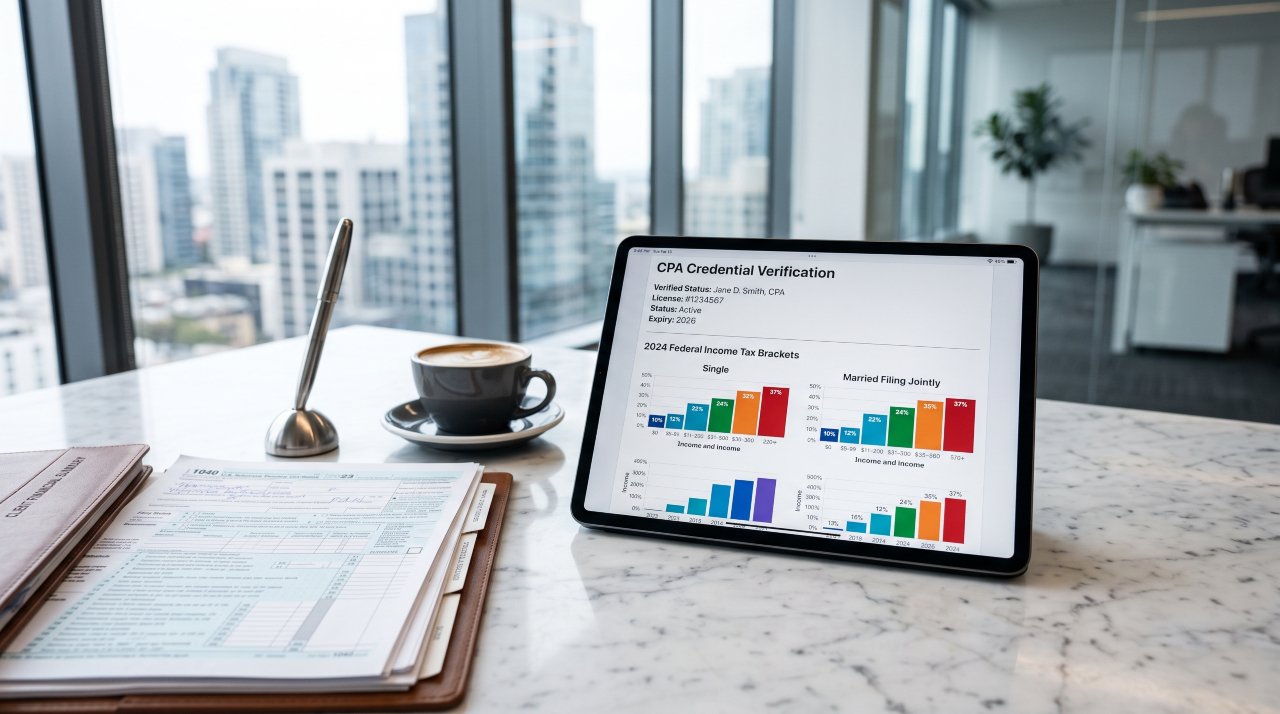
When searching for tax preparation services near you, understanding preparer credentials is essential. Anyone can print a sign and call themselves a tax preparer, but only specific professionals hold legal authorization to represent you before federal tax authorities.
Certified Public Accountants (CPAs)
CPAs are licensed by state boards of accountancy after passing the uniform CPA exam, completing advanced university coursework, and fulfilling strict annual continuing education mandates. Members of the American Institute of CPAs adhere to strict ethical standards. A small business cpa near me search connects you with experts trained in business tax law, financial statement analysis, and strategic corporate structure.
Enrolled Agents (EAs)
Enrolled Agents earn their credentials directly from the federal government through the Internal Revenue Service by passing a comprehensive three-part examination. Practitioners associated with the National Association of Enrolled Agents specialize exclusively in taxation and hold unlimited representation rights before tax agencies.
PTIN Only Preparers and Retail Chains
Paid tax preparers must hold an active Preparer Tax Identification Number. However, a PTIN is a registration number, not a professional credential. Basic preparers at seasonal retail chains can file simple returns, but they lack authorization to represent clients during formal audit proceedings.
To learn more about individual filing rules and requirements, review our individual tax filing guide.
3. How Small Business Owners Benefit from Local Tax Accountants
Small business owners face complex filing requirements. From calculating quarterly estimated taxes to managing payroll compliance, working with a small business tax accountant protects your business assets and keeps your enterprise compliant.
Common Mistakes When Choosing Local Tax Preparation Services
- Choosing Based Solely on Lowest Price: Low fees often indicate volume-driven preparers who skip legitimate tax deductions to process returns quickly.
- Hiring Preparers Without Audit Rights: Non-credentialed preparers cannot defend your return or speak directly with examiners before tax agencies.
- Signing Blank Tax Returns: Never sign a tax return before reviewing final calculated numbers and confirming paid preparer signatures and PTIN details.
- Ignoring Year-Round Availability: Seasonal pop-up tax offices close after April 15, leaving you without professional support during summer audits or tax notices.
Entity Selection and Structure Advice
Choosing between a Sole Proprietorship, LLC, S-Corporation, or C-Corporation impacts your tax burden. A qualified cpa near me for small business evaluates your gross revenues and payroll expenses to determine if electing S-Corp status reduces your self-employment tax obligations.
Maximizing Business Deductions
Local accountants ensure you claim every legitimate deduction, including:
- Section 179 property expensing and equipment depreciation.
- Qualified Business Income (QBI) deductions under Section 199A.
- Vehicle mileage and home office deductions using approved calculations.
If you operate a business in Northern California, read our localized guide on selecting a Sacramento tax accountant for state-specific tax advice.
4. Key Questions to Ask Before Hiring a Local Tax Professional

Before signing an engagement letter with a tax service near you, conduct a brief interview to verify their qualifications and pricing model.
1. Do you hold an active CPA license or Enrolled Agent credential?
Verify CPA licenses using your state board of accountancy online directory. For Enrolled Agents, verify their active status through official federal preparer directories.
2. How do you calculate tax preparation fees?
Reputable tax professionals charge flat fees based on return complexity or hourly rates for consulting work. Never work with a preparer who bases their fee on a percentage of your tax refund, as this violates professional ethical rules.
3. Will you sign my return as the paid preparer?
Tax regulations require paid preparers to sign your return and include their PTIN. If a preparer asks you to sign as “self-prepared,” walk away immediately.
4. How do you secure client financial data?
Inquire about security protocols. Professional accounting firms use encrypted portals, multi-factor authentication, and secure servers to protect your sensitive financial records.
For comprehensive business compliance support, explore our detailed business tax services guide.
5. Preparing Your Financial Records for Your Tax Appointment
Organizing your tax documents before meeting your local accountant saves time and reduces preparation costs. Arriving prepared allows your tax advisor to focus on finding savings rather than sorting receipts.
Essential Document Checklist
Gather the following documents before your appointment:
- Income Statements: Forms W-2, 1099-NEC, 1099-MISC, 1099-K, and 1099-INT.
- Deduction Documentation: Mortgage interest statements (Form 1098), real estate tax bills, charitable donation receipts, and medical expense logs.
- Prior Tax Returns: Copies of your federal and state tax returns from the previous two tax years.
- Business Financials: Profit and Loss (P&L) statements, balance sheets, and mileage logs for self-employed individuals.
Frequently Asked Questions
How much do local tax preparation services cost?
Tax preparation fees depend on return complexity. Simple individual W-2 returns generally range from 150 to 300 dollars. Itemized returns with investment sales or rental properties range from 400 to 900 dollars. Business tax returns (Forms 1120-S, 1065, or 1120) typically range from 800 to 2,500 dollars.
What is the difference between a CPA and a regular tax preparer?
CPAs undergo rigorous college education, state licensing exams, and annual ethics training. They handle complex accounting, financial auditing, and tax strategy. Basic tax preparers complete minimal training to file simple returns and cannot represent you during formal audit proceedings.
Are tax preparation fees tax deductible?
Under current tax law, individual taxpayers cannot deduct tax preparation fees on Form 1040 Schedule A. However, self-employed individuals, freelancers, and business owners can deduct tax preparation fees directly as a business expense on Schedule C, Form 1120-S, or Form 1065.
What happens if my tax preparer makes a mistake on my return?
You remain legally responsible for all numbers reported on your tax return. If a preparer makes an error, you owe any additional taxes and interest. However, credentialed CPAs and EAs carry professional liability insurance and will handle correspondence to correct errors caused by filing mistakes.
When should I contact a tax accountant for business tax filing?
You should contact a tax professional well before annual deadlines. Business returns for S-Corps and Partnerships are due March 15, while individual returns and C-Corps are due April 15. Scheduling an appointment in January or February ensures adequate time for document collection and strategic planning.
Finding Your Ideal Local Tax Partner
Choosing the right tax preparation services near you provides financial clarity and security. A credentialed CPA or Enrolled Agent helps you claim every legal deduction, protects your assets during audits, and provides year-round financial advice.
Gather your financial documentation, verify preparer credentials, and schedule a tax consultation early to ensure a stress-free filing season.